Five verified standards delivered upon completion
Stabilized pool water level
The pool maintains a steady water level without constant intervention from automatic refilling valves. Water consumption drops back to normal seasonal averages, ending unexplained utility spikes.
Verified pipe and shell integrity
Every underground suction and return line holds pressure under certified testing parameters. Structural cracks and light niches are sealed, eliminating subterranean seepage beneath adjacent terraces.
Smooth pump operation without air
Filtration pumps prime immediately and run continuously without pulling air bubbles through suction lines. Circulating water stays balanced, protecting pool equipment from premature motor burnout.
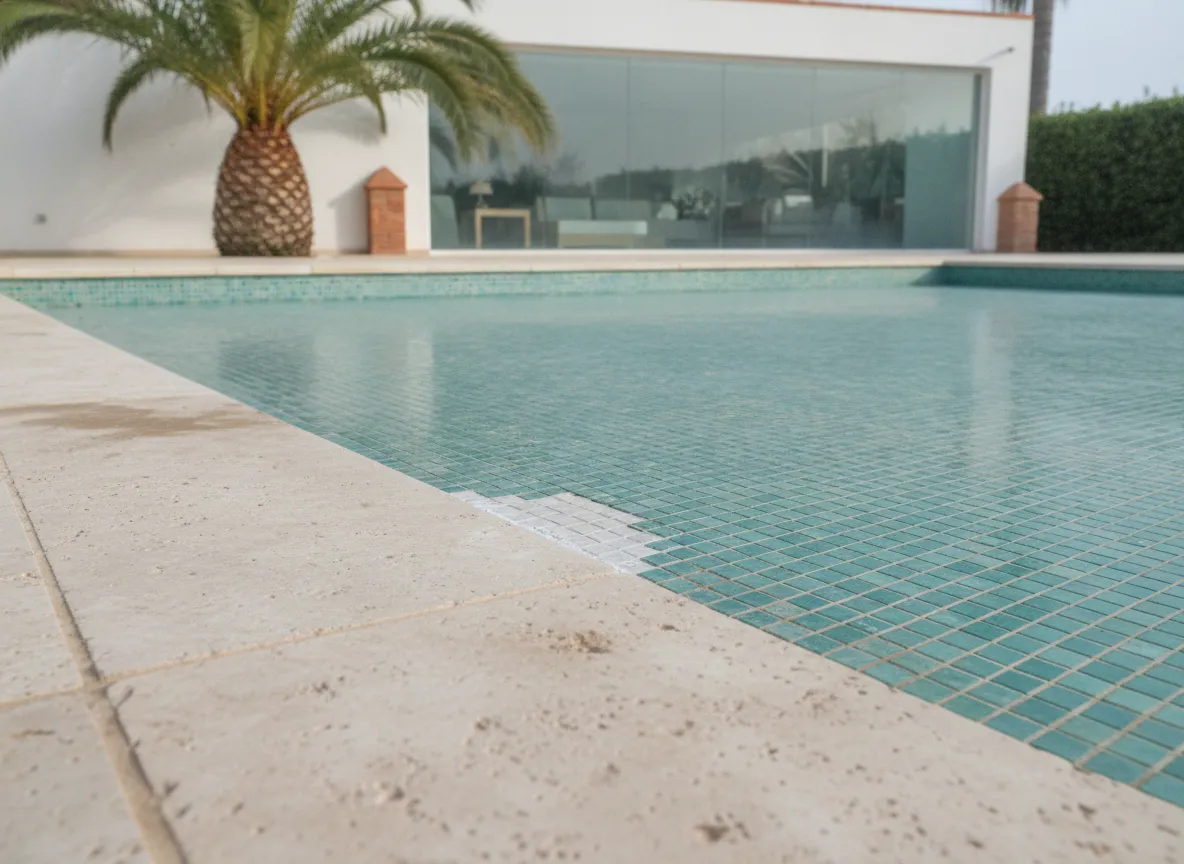
Water escaping from underground lines quietly washes away subsoil beneath tiled terraces and retaining walls. Over months, this voids the ground. Heavy stone slabs sink, crack, or pull away from the coping.
Constant additions of fresh tap water introduce heavy calcium and disrupt chemical balances, creating scale on pool surfaces. Mineral-heavy water forces automatic dosing units to overwork while salt systems fail to maintain proper sanitisation levels.
Unnoticed subterranean leaks around Marbella properties can trigger five-figure municipal water bills while the villa stands empty for months. Air sucked into compromised suction lines burns out expensive filtration pumps when the equipment runs dry.
Eight steps to locate and resolve pool water loss
Evaporation rates are verified by bucket test — A calibrated container filled to pool level sits on the steps for twenty-four hours. Measuring the two drop rates confirms whether water loss exceeds normal sun and wind exposure.
Underground plumbing lines are isolated and plugged — We seal suction, skimmer, vacuum, and return runs with mechanical expansion plugs at both ends. Isolating each circuit separates plumbing issues from structural shell defects. The filtration system remains inactive throughout this pressure check.
Pipe networks undergo individual pressure testing — We introduce regulated air or water pressure into each sealed circuit using specialised test rigs. Pressure gauges indicate the exact line failing to hold standard operating bars. Any drop confirms a fractured pipe beneath the surrounding deck.
Acoustic ground microphones trace line fractures — We sweep sensitive listening devices along the terrace over known pipe routes while the line is charged. The equipment detects the specific frequency of air and water escaping underground. This narrows excavation down to a single terrace tile.
Underwater fittings are checked with dye syringes — We inspect skimmer throats, light niches, return fittings, and main drains with concentrated indicator dye. Currents pulling colourant into seams identify failing seals or hairline gaps. We proceed with the work without draining the pool.
Electronic detectors locate plaster micro-fissures — We sweep low-voltage electronic scanning over submerged pool surfaces to detect electrical paths to ground. Plaster cracks and hairline fractures behind mosaic tiles register immediately on the meter. We map every breach point precisely for repair.
The structural breach or broken pipe is repaired — We expose compromised pipe sections through minimal access cuts and replace them with pressure fittings. Structural shell cracks receive hydraulic mortars or two-part epoxies. If settling occurs, patio and terrace repair resolves surrounding foundation movement.
Repaired lines undergo twenty-four-hour re-testing — We pressurize repaired pipe circuits again to verify complete air and water retention under working load. We monitor the pool water level against the static test to confirm zero loss.
We cover the Costa del Sol
Residential pool leak detection and precision structural plumbing repairs are provided across substantial villas throughout the region.
Does your villa need steady exterior care?
Response time: 24 hoursSatisfaction guarantee
Is this what you are looking at?
Wet patches between dry terrace pavers
Pressurised underground return pipes crack when natural ground settlement twists rigid joints beneath the terrace. A targeted spot repair usually restores the pipe run without lifting broad areas of surrounding stone.
Air churning inside the pump basket
Hairline splits in suction pipes draw outside air whenever the pump pulls water from the skimmers. Replaced fittings and re-bonded joints typically stop the churning if detected before the pump motor overheats.
Water dropping below the skimmer mouth
Vibrations and seasonal thermal shifts break the plastic seal where the skimmer box joins concrete walls. Injection sealing or fresh waterproof collars usually bond the throat securely, provided surrounding concrete remains sound.
Damp soil pooling near garden lights
Aged rubber sealing rings perish behind submerged lighting niches, letting pool water flow into buried conduit tubes. A newly potted niche cord stops the seep immediately, provided the internal conduit remains unbroken.
Cracked grout along the waterline tiles
Ground movement stresses the top beam of the pool, pulling tiles loose and opening hidden paths behind the render. Early structural resin stitching seals the fissure before escaping moisture softens supporting hillside soil.
Water temperature dictates when repairs can cure properly
Epoxy putties and injection resins seal cracks in pool shells underwater, but curing requires strict thermal thresholds. Cold water stalls the chemical bonding process, preventing structural sealants from hardening across gunite or concrete surfaces. Applying products below technical limits leads to debonding, wasting materials and forcing a complete redo of the repair.
A reading above 10 to 15 degrees Celsius allows epoxies to cure properly within 24 to 48 hours before the plumbing system can hold pressure again. If water temperatures sit below this range, waiting for warmer conditions avoids failed patches and repeated diagnostic visits. Acting too soon risks water washing away uncured compounds, adding extra labor charges to your quote.
Pool leak detection and pipe condition determine scope
We use pressure testing rigs to isolate individual plumbing circuits over 2 to 6 hours to confirm real water loss before anyone cuts into a terrace. If pressure holds steady across all closed lines, invasive deck work is omitted from your quote. A confirmed pressure drop on a specific underground line directs concrete sawing precisely to that pipe run, turning an initial diagnostic visit into an excavation estimate.
Liner inspections test the remaining elasticity around suspected punctures. Pliable vinyl with good plasticizer accepts bonded patches directly, keeping the repair within a minor maintenance tier. If sun exposure and pool water chemistry have left the material stiff and brittle, attempting a patch only causes tears next to the repair, and your proposal shifts from spot sealing to full relining.
Your questions, answered
How long does pool leak detection and repair take? +
Pinpointing a leak takes us 2 to 6 hours. Physical repairs range from 2 hours to several days if digging is required. Underwater epoxies then need 24 to 48 hours to cure before lines can be pressurized.
What causes pool leaks, and how do they start? +
Most problems begin with fine cracks around skimmer throats and return fittings. In villas across the Costa del Sol, natural ground settling slowly pulls these joints apart. Over time, buried PVC joints also separate if original solvent welding was weak.
Where can money be saved on a leak repair? +
A simple bucket test rules out normal evaporation before booking diagnostic tools. Cutting costs by patching over algae or old dirt fails quickly, as sealants debond and force an expensive second repair.
Do pool repairs require licensed trades or permits? +
In municipalities like Marbella, structural repairs require local building permits, and draining water may need environmental discharge clearance. Any work involving pumps, underwater lights, or grounding requires a licensed electrician by law.
When is a leak repair refused? +
We refuse patching on aged, brittle vinyl liners because new tears immediately form beside the patch. We also turn down crack repairs if underlying soil movement or water pressure under the shell is not corrected first.
What makes a pool leak repair last? +
Properly solvent-welded PVC pipe replacements last the lifetime of the plumbing. In contrast, unbalanced water with high chlorine or low pH degrades adhesives rapidly, and underwater epoxy patches usually serve as a 1 to 5-year interim fix.
What happens if I am not happy with the pool leak detection and repair? +
Satisfaction guarantee. If you are not happy with a result, tell us and we come back to put it right.